Software Testing Articles, Blog Posts, Books, Podcasts and Quotes
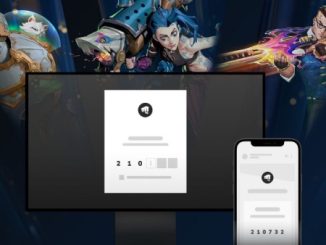
Welcome to this series of three articles dedicated to an in-depth analysis of testing systems that integrate multi-factor authentication (MFA) mechanisms. If you work in a regulated entity, particularly in the financial or banking sectors, you have likely faced the challenges associated with testing MFA-protected workflows such as authentication and financial transactions.
Telemedicine has revolutionized healthcare by furnishing remote access to medical services and real-time case monitoring. Still, the software that powers these platforms faces unique testing challenges beyond those encountered in standard mobile or web operations.
Testing is done to ensure that software applications work accurately in real-time. Thus, testers should have a proper understanding of programming to write automated test cases and debug and troubleshoot software. That’s why programming courses near me having well-versed and proficient tutors are so helpful.
Insurance is experiencing a technology-driven transformation. Insurers are modifying traditional legacy systems, virtualizing their operations, and making use of the latest digital innovation to optimize efficiency, engender customer engagement, and stay up to date with all changing regulations and compliance standards.
There is a lot of debate around whether QA and Agile are compatible. Some say that QA (quality assurance) is often compromised during Agile’s quick sprints. Yet, foregoing QA altogether will not set a solid foundation for a project. There’s always a need for balance and it’s all relative.
The cryptocurrency landscape is changing every day, and those with crypto sites (whether you’re providing the latest updates, offering advice, or managing a crypto exchange) need to ensure they have a reliable website. Your website is your first point of customer contact, and must be secure, user-friendly, and efficient.
The use of technology in healthcare is now a norm. Notably, IT, AI, and IoT promote efficiency, increase doctor-patient engagement, and provide decision-making data. Most healthcare software or apps are developed to provide services such as telemedicine, remote patient monitoring, electronic health records, medical billing, appointment scheduling, and practice management tools.