Software Testing Articles & Tutorials: Load Testing, Unit Testing, Functional Testing, Performance Testing, Agile Testing, DevOps
Container images are the unsung heroes of software deployment. They provide a simple and effective way for apps to be packaged up and isolated along with all the elements they require to function, including system tools, libraries, dependencies, and configuration files.
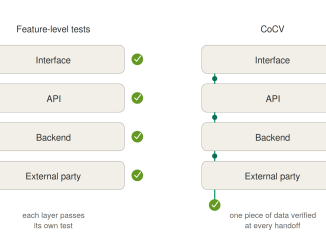
A privacy product tells a user that her personal data has been removed from data broker sites. Every test in the suite passed. Was the data removed? Most test suites cannot answer that question, and this article explains why, and what to do about it.
In project management, financial success often comes down to meeting budgets and earning revenue. However, a project’s true profitability is deeply influenced by a less visible factor: the quality of the software at its core. Every bug, performance issue, or poorly written line of code carries a financial weight that can quietly erode margins and derail even the most carefully planned initiatives.
A customer appears on the map, the address looks correct, and the page loads without errors. The test passes. But what happens when that customer sits exactly between two service areas? Which team receives the account? Does the answer change after someone edits a boundary?
AI-assisted code generation has changed the capabilities of organizations to produce code. In this article, Hélder Ferreira discusses the impact on software quality created by this new situation. The main problem is that this new code is often created by tools that lack the knowledge of the global context of both the application infrastructure and the process being automated.
Production failures rarely arrive with a clean explanation. A release looks healthy in staging, then fails under real traffic. A background job works for most customers, then breaks for one segment. A service slows down after a deployment, but only when a specific dependency, payload shape, feature flag, or account path appears.
Security software that works perfectly in a controlled setting can quickly fall apart when used at scale. As organizations grow, their security solutions need to handle a huge increase in data, users, and connected devices. This puts a lot of pressure on software development and quality assurance teams.