Software Testing Articles, Blog Posts, Books, Podcasts and Quotes
The assumption is that AI will handle it all by automate testing, ensure reliability, and keep systems running smoothly. This article explains why it will not. And the consequences of this oversight are already beginning to show.
Software testing plays a critical role in delivering reliable, secure and high quality software. No matter how skilled a development team may be, every software application needs thorough testing before it reaches real users.
QA teams in 2026 are increasingly asked to test systems that deliberately avoid identifying users. From privacy-first SaaS products to decentralised platforms, anonymity is no longer an edge case. It is a core design requirement that shapes how sessions are logged, how defects are reproduced, and how compliance risks are managed.
Casino operators rely on continuous software testing to guarantee that every user interaction remains fair as well as technically sound and secure. Because online casinos handle real money and operate across international jurisdictions, their systems must remain under constant scrutiny. Testing begins long before a game reaches players and extends throughout the software’s entire operational life.
Artificial intelligence is impacting almost every function in organizations, so much so that, when advancing your career now, you not only need to prove that you’re qualified for the job but should also ensure you are fully equipped to stay on it by adapting to rapid AI-driven changes in the workplace.
Quality assurance work rarely follows a straight line because projects move through multiple phases: planning, execution, reporting, and client handoff. And when those pieces don’t connect, even good testing can feel messy to clients.
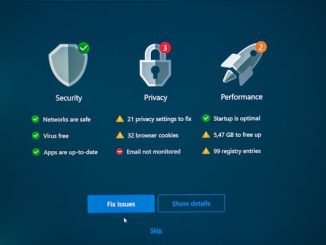
Factory resets are considered a silver bullet solution for malware infections among end users and in initial security triage. In reality, test results clearly show that not all threats reset with the system.