Software Testing Articles, Blog Posts, Books, Podcasts and Quotes
Not all bugs carry the same weight in a game. Some block progress or break saves. Others affect text or sound and wait. Release pressure forces fast calls, while live patches shorten deadlines. Player expectations rise after launch and tolerance drops. This mix adds stress to QA work.
A career in IT is highly valued in today’s job market. For those who want to enter the field without extensive programming skills, becoming a quality assurance professional, also known as a software tester, is an excellent option.
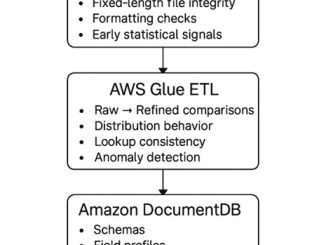
Anyone who has spent time working on cloud ETL pipelines knows that the biggest problems aren’t the ones that cause your jobs to fail, they’re the quiet ones that slip through unnoticed. AWS Glue is a powerful tool, but it doesn’t tell you when your data is subtly wrong.
Software testing used to be treated like a final checkpoint: run through a few scenarios, fix obvious bugs, ship. Today, that mindset breaks quickly, especially in products where trust is fragile and users disappear silently. Software quality is no longer a “nice to have” layer on top of features.
Are you managing people at work and thinking about how to make safety and HR tasks smoother and more comfortable for everyone? Many workplaces today are choosing digital tools because they make daily work simpler, clearer, and more organized.
Remote and hybrid work models place unprecedented demands on HR technology. Employees, managers, and compliance teams depend on uninterrupted access to digital systems for critical workforce functions. In this environment, software failures are not minor inconveniences but direct risks to operations and trust.
As restaurants increasingly rely on digital platforms to manage orders, payments, and kitchen operations, software quality has become a critical success factor. Speed and automation alone are not enough if systems fail under pressure or behave inconsistently during peak hours. This is where structured software testing plays a central role in ensuring reliability, accuracy, and performance.