Agile testing tutorials and how to content : Test-Driven Development (TDD), Behavior-Driven Development (BDD) and other agile approaches for software testing.
This is a hands-on practical session about agile testing where participants split into groups and learn how to do story mapping and how to write Given-When-Then Behavior-Driven Development (BDD) tests.
There is a lot of debate around whether QA and Agile are compatible. Some say that QA (quality assurance) is often compromised during Agile’s quick sprints. Yet, foregoing QA altogether will not set a solid foundation for a project. There’s always a need for balance and it’s all relative.
Fed up with chaotic test management and scattered QA processes? Transform your testing workflow with Jira’s powerhouse features. This guide reveals battle-tested strategies that go beyond basic issue tracking, showing you how to build a robust testing ecosystem that scales. From automated backups to security implementations, discover the techniques that top-performing QA teams use to stay ahead.
Behavior-Driven Development (BDD) is an Agile approach that mixes requirement gathering, documentation and acceptance testing. You write human-readable sentences describing the features of your application and how they should work.
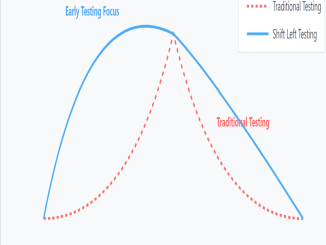
Software testing typically starts once the code is fully developed or in the later stages of development. With this approach, when QA’s role begins at that time, most of the development is already done, and identifying defects at this timeframe means rework for the developers, which is quite costly in terms of time and money. It also impacts project production delivery.
In today’s fast-paced and competitive business landscape, enterprises must ensure their software applications are reliable, scalable, and performant. A robust enterprise testing strategy is crucial to achieving these goals, ensuring that software meets quality standards before it reaches end-users. This article explores the key components of an effective enterprise testing strategy, the benefits of implementing such a strategy, and best practices for maintaining it.
In the dynamic and fast-paced world of software development, the significance of robust software testing and quality assurance (QA) practices cannot be overstated. These processes are vital for ensuring the reliability, performance, and user satisfaction of software products.