Software Testing Magazine: Load Testing, Unit Testing, Functional Testing, Performance Testing, Agile Testing, DevOps
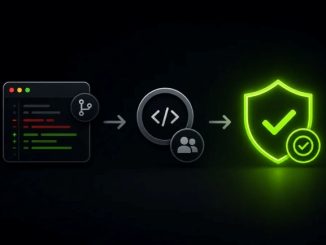
When you add new code to your applications, it is associated to the test scripts that should validate it. Do you give enough importance to these tests? In this article, Eli Lopian explains that when pull requests are opened, you should review the tests scripts as much as the code.
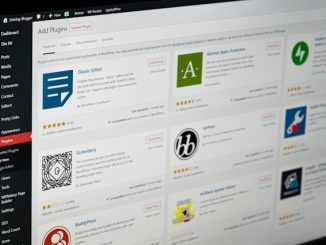
Stop shipping browser bugs when you update your WordPress website. This article explains how to set up Playwright automated tests for WordPress, from saved logins to continuous integration, before the next update.
Code generation with AI tools is rapidly expanding in the software development world. The software testing and QA activities are also impacted by this trend. What does it mean for suppliers of test automation tools? In this article, Maz Daly explains how they should transition from turnkey solutions to providing a platform that allows customers to build their own software testing platform with confidence and scale.
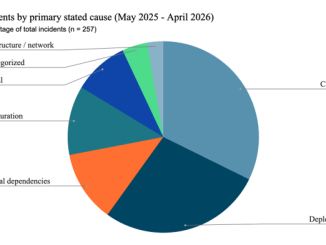
Software testing efforts are mainly focused on the application code itself. However, recent major failures were due to configuration changes or system data. In this article, Sergei Cherednichenko discusses how quality assurance efforts should widen their scope from an application-centric perspective to a system-wide reliability verification.
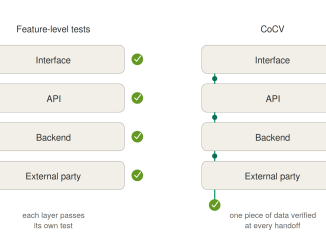
A privacy product tells a user that her personal data has been removed from data broker sites. Every test in the suite passed. Was the data removed? Most test suites cannot answer that question, and this article explains why, and what to do about it.
AI-assisted code generation has changed the capabilities of organizations to produce code. In this article, Hélder Ferreira discusses the impact on software quality created by this new situation. The main problem is that this new code is often created by tools that lack the knowledge of the global context of both the application infrastructure and the process being automated.
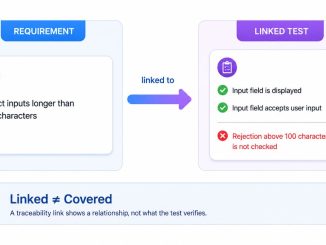
A fully green traceability matrix can make it look as though requirements are properly covered. Yet a link between a requirement and a test does not prove that the test actually verifies every required behavior. Requirements coverage gaps can remain when tests are incomplete, when a requirement evolves without its tests following, or when a test changes while its traceability link remains intact. This article proposes a simple way to detect them: first understand how they arise, then structure the review by comparing explicitly required behaviors with what the linked tests actually demonstrate.