Software Testing Articles: Load Testing, Unit Testing, Functional Testing, Performance Testing, Agile Testing, DevOps
What do we do to make sure that a web application will act right to users in other parts of the world? The local environments do not always correspond to the production reality, which is why QA teams have to struggle. Integrating the best proxy software into the testing pipeline helps teams simulate diverse network conditions.
There’s a particular irony in how computer science programs teach students to build software. Professors spend semesters drilling algorithms, data structures, system architecture. Students graduate knowing how to write code. What they don’t know is how to make sure that code actually works when someone’s business depends on it.
Most software today is a mess of layers stacked on top of older, even messier layers. In 2026, we are seeing the fallout of the “move fast and break things” era. Companies now face massive technical debt while trying to shoehorn AI features into systems that were never meant to handle them. We see that the code is now a complex web of dependencies, cloud configurations, and automated scripts.
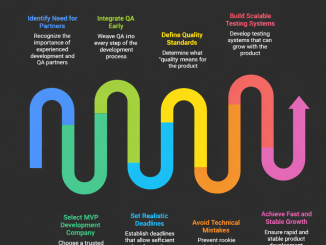
Speed drives modern product development. Startups and big companies both feel the pressure to launch fast, test their ideas in the real world, and grab attention before someone else does.
The world of online gambling today is driven by complex, high-stakes software systems. When assessing a platform like FoxSlots casino, it’s crucial for technical experts to dig deeper than just the user interface and really consider the foundational infrastructure.
Every spin of a slot reel, every card dealt, every roulette outcome depends on one critical assumption: that the result is genuinely random. For casino operators, regulators, and the players who trust them, that assumption must be provable — not just claimed.
Have you ever deleted an app because it froze at the worst possible moment? In a world where we bank, shop, and work through screens, patience runs thin when software fails. Performance problems no longer feel minor; they feel personal.