Software Testing Articles & Tutorials: Load Testing, Unit Testing, Functional Testing, Performance Testing, Agile Testing, DevOps
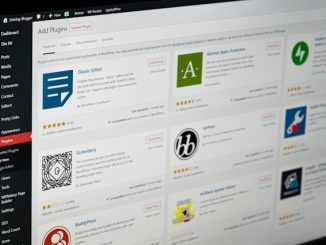
Stop shipping browser bugs when you update your WordPress website. This article explains how to set up Playwright automated tests for WordPress, from saved logins to continuous integration, before the next update.
Ethereum developers shipped an emergency software fix hours before a major capacity test was scheduled to begin, according to CoinDesk. Without it, a portion of the network’s validators would have quietly undermined the experiment they were meant to run.
A fast, reliable website is essential for ecommerce success, but technical performance alone does not guarantee that visitors will become customers. Businesses that have improved loading times yet continue to experience abandoned carts or low sales may use ecommerce conversion optimization services to uncover usability, design, and customer journey issues that prevent visitors from completing purchases.
Code generation with AI tools is rapidly expanding in the software development world. The software testing and QA activities are also impacted by this trend. What does it mean for suppliers of test automation tools? In this article, Maz Daly explains how they should transition from turnkey solutions to providing a platform that allows customers to build their own software testing platform with confidence and scale.
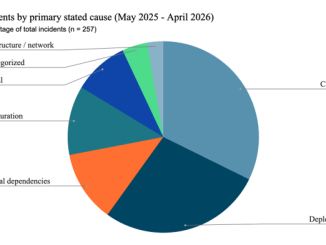
Software testing efforts are mainly focused on the application code itself. However, recent major failures were due to configuration changes or system data. In this article, Sergei Cherednichenko discusses how quality assurance efforts should widen their scope from an application-centric perspective to a system-wide reliability verification.
Container images are the unsung heroes of software deployment. They provide a simple and effective way for apps to be packaged up and isolated along with all the elements they require to function, including system tools, libraries, dependencies, and configuration files.
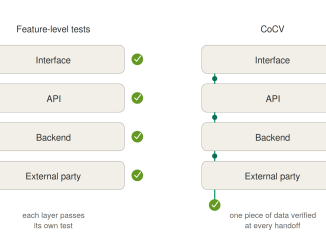
A privacy product tells a user that her personal data has been removed from data broker sites. Every test in the suite passed. Was the data removed? Most test suites cannot answer that question, and this article explains why, and what to do about it.