Tutorials and resources on how to apply test automation in software testing
In the modern day, software development process is not simply a measure; it is a mandate. Due to the growth in the size and intricacy of software applications, old-school testing techniques may prove inadequate. AI testing is where it is at, the new approach that leverages artificial intelligence.
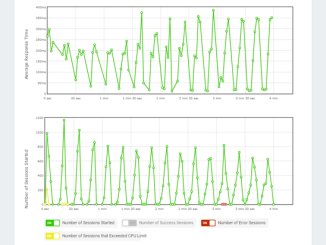
Ensuring your applications perform optimally under various conditions is crucial in today’s digital landscape. Load testing is a critical aspect of performance testing because it helps organizations identify and mitigate performance bottlenecks ensuring a seamless experience for your users.
If videos are one of the modern tools for solitary software testing training, podcasts can also play an important role. Audio-only training is useful in a context where the eyes are already busy, when you commute in your car for instance.
In today’s fast-paced software development landscape, test automation is essential for ensuring software quality and accelerating delivery. Yet, without a well-defined strategy, you risk wasted resources and unmaintainable test suites. This article will guide you through crafting a complete test automation strategy that aligns with your organization’s goals and delivers long-term value.
Software is playing an increasingly larger part in our life. In 2024, software testing is seeing many changes take place. It’s all rather inevitable, with new trends coming along and technology continuing to evolve.
In today’s changing world the significance of testing software cannot be emphasized enough. Ensuring that software functions smoothly is vital for keeping users happy and achieving business goals. The rise of intelligence (AI) and machine learning (ML) has brought about a transformation in the field of software testing.
Many companies adhere to an old approach of keeping the software testing team separate from the development process. They involve the testing team only when the code is accessible in the testing environment. It leads to significant bottlenecks that can negatively impact the project’s quality and delay the release.