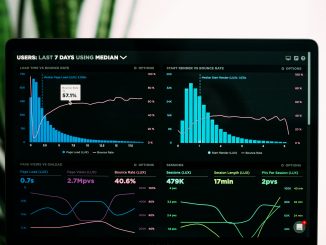


Managing AI Tools Risks: Comparing the Top 10 Shadow AI Detection Platforms
Shadow AI is growing fast, but so are the risks. This guide breaks down the top 10 platforms helping organizations detect and control unauthorized AI usage.
A Telegram channel about software testing can generate revenue when it offers practical value to a specific audience. Testers, QA engineers, automation specialists, and team leads usually pay for content that saves time, improves skills, or helps them solve day-to-day work problems more efficiently.
Quality assurance used to be simple when we only checked if the features worked as expected. But today, QA engineers are validating software in conditions really close to real use. That means their working environments are constantly changing with variables like test builds, external dependencies, and repeated iterations.
Software testing in 2025 is no longer a final checkpoint. It is a continuous discipline that runs alongside every stage of development. Teams face shorter release cycles, more complex architectures, and rising user expectations. The testers who succeed are those who treat every bug as a problem worth understanding, not just logging.
Software testing remains one of the most crucial steps in software development nowadays. Prior to the launch of any software, it has to undergo a sequence of testing phases to make sure it is working properly, performing well, and secure. Unfortunately, testing environments are one of the biggest sources of exposure to security threats if left unprotected.
For years, teams have argued about one thing: manual testing or automated testing. Which one is better? Which one should you use? In 2026, this debate feels very, very outdated.
Distributed development is now standard practice. Companies building Ruby applications no longer rely solely on in-house engineers; they combine internal teams with outstaffed specialists to meet deadlines, control costs, and access niche expertise. But this model introduces a persistent challenge: maintaining consistent code quality when contributors are spread across time zones, companies, and communication cultures.
Copyright © 2009-2026 Software Testing Magazine by Martinig & Associates