Software Testing Articles & Tutorials: Load Testing, Unit Testing, Functional Testing, Performance Testing, Agile Testing, DevOps
You can look at the resume of any aspiring Quality Assurance engineer. You will likely see a list of acronyms. From ISTQB to various automation bootcamps, these certifications are the industry standard. They prove you know the basics. They provide the essential vocabulary of testing and the structural framework for writing test cases.
If you’ve ever tested a subscription trial you’ve already seen how sophisticated eligibility logic can be, one user qualifies, another is routed to a different offer, and a third sees a tailored experience based on device, location, or account history.
Software testing keeps evolving. Tools shift. Frameworks update. Teams reorganize. But something else is happening right now, and it’s easy to miss. Students – the people still juggling exams, dorm Wi-Fi, and late-night coding labs – are starting to change the future of software quality assurance.
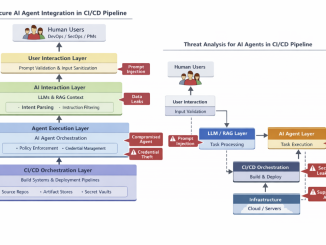
In the rapidly evolving landscape of DevSecOps, the integration of Artificial Intelligence has moved far beyond simple code completion. We are entering the era of Agentic AI Automation where speech or a simple prompt performs actions.
In the ultra-competitive iGaming industry (online casinos, sportsbooks, poker, etc.), success hinges on search engine visibility. Search Engine Optimization (SEO) is the lifeblood of this sector – some estimates suggest over half of all players find gambling platforms through organic search.
For two decades, Agile has been the gold standard. By replacing the slow pace of Waterfall with the dynamic rhythm of sprints and stand-ups, it transformed how software is built.
If large organizations have their own software development teams, smaller company often looks for external resources to create software. Choosing a supplier to develop an application is not easy.