Software Testing Articles: Load Testing, Unit Testing, Functional Testing, Performance Testing, Agile Testing, DevOps
Have you ever deleted an app because it froze at the worst possible moment? In a world where we bank, shop, and work through screens, patience runs thin when software fails. Performance problems no longer feel minor; they feel personal.
A green CI pipeline doesn’t automatically mean release, and many teams are already aware of that. Why? Because the software can pass every single test with flying colors, and still, there’s zero guarantee that it won’t be a complete failure in production.
We are used to the way traditional software is tested: if a feature worked yesterday and the day before, it will most likely work today. The logic is deterministic, bugs are reproducible, and failures can be traced through logs. But with the rise of generative AI and complex machine learning systems, the old rules no longer apply.
Thinking of online slots as just a way to pass the time is a bad idea for serious engineers. Their high-density graphical environments provide a surprisingly effective sandbox for stress-testing modern frontend frameworks.
Field service technicians face unpredictable challenges daily — from unexpected equipment failures to complex logistics between job sites. Their work depends on mobile apps that must function flawlessly under any conditions: in basements without signal, in freezing weather with dying batteries, or simply while wearing gloves when data needs quick logging.
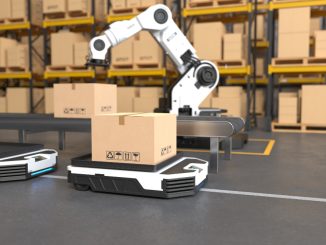
Warehouse robotics are now essential for inventory management, order fulfillment, and improving operations. People often talk about cutting-edge hardware, but the software is what really makes a robot work.
When you submit a request through Google’s Outdated Content Tool, approval is only half the job. The real question is whether the change actually propagated in search results the way you expected.