Software Testing Articles: Load Testing, Unit Testing, Functional Testing, Performance Testing, Agile Testing, DevOps
Casino operators rely on continuous software testing to guarantee that every user interaction remains fair as well as technically sound and secure. Because online casinos handle real money and operate across international jurisdictions, their systems must remain under constant scrutiny. Testing begins long before a game reaches players and extends throughout the software’s entire operational life.
Artificial intelligence is impacting almost every function in organizations, so much so that, when advancing your career now, you not only need to prove that you’re qualified for the job but should also ensure you are fully equipped to stay on it by adapting to rapid AI-driven changes in the workplace.
Quality assurance work rarely follows a straight line because projects move through multiple phases: planning, execution, reporting, and client handoff. And when those pieces don’t connect, even good testing can feel messy to clients.
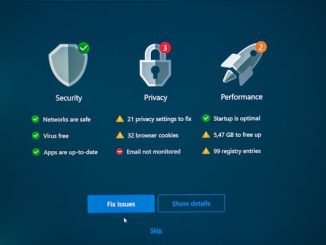
Factory resets are considered a silver bullet solution for malware infections among end users and in initial security triage. In reality, test results clearly show that not all threats reset with the system.
Not all bugs carry the same weight in a game. Some block progress or break saves. Others affect text or sound and wait. Release pressure forces fast calls, while live patches shorten deadlines. Player expectations rise after launch and tolerance drops. This mix adds stress to QA work.
A career in IT is highly valued in today’s job market. For those who want to enter the field without extensive programming skills, becoming a quality assurance professional, also known as a software tester, is an excellent option.
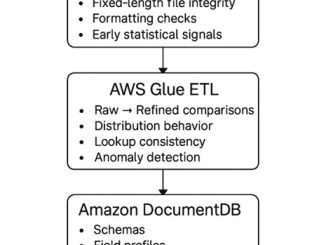
Anyone who has spent time working on cloud ETL pipelines knows that the biggest problems aren’t the ones that cause your jobs to fail, they’re the quiet ones that slip through unnoticed. AWS Glue is a powerful tool, but it doesn’t tell you when your data is subtly wrong.