Software Testing Tools: Unit Testing Tools, Functional Testing Tools, Load Testing Tools, Performance Testing Tools, Agile Testing Tools, DevOps
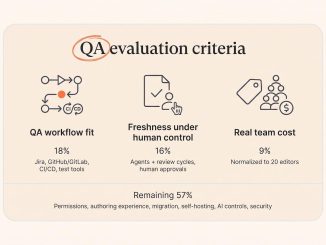
Confluence can store QA docs, but it seldom helps testers find the right one when release pressure hits. The problem is rarely the editor. It is that test plans, environment runbooks, and release checklists drift out of date faster than anyone updates them, and a wiki that merely holds pages cannot tell you which ones still reflect reality.
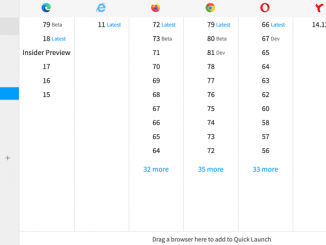
When today’s applications run on various browsers (Chrome, Firefox, Safari, Edge, etc.) on different mobile or desktop devices with specific screen settings. This is why you need to perform cross-browser testing for your automated tests. This article lists the main desktop or online cross-browser testing tools available today.
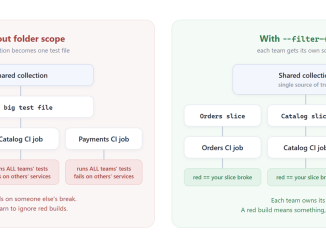
In this article, Mikhail Golikov, the sole QA on a seven-team backend platform, explains how he turned a drawer full of unrun Postman collections into committable pytest suites, walks through the conversion request by request, and shows the folder-scoped command-line tool he built so one team’s pattern could scale to seven.
In most of your software testing activities, you need data. Sometimes you can rely on a small sample, but if you want to perform some load testing or if you want to test a feature that needs to produce a multipage invoice, then you start to need more than just two or three occurrences. Test data generators are tools that can help you in this task with the automatic generation of hundreds or thousands of customers, products or accounts items with different attributes for their id, email, name, etc.
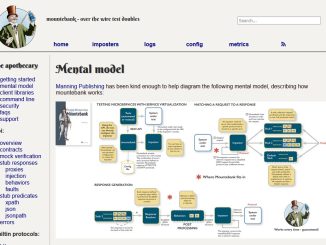
The rising trend of using SOA and then microservices as a software architecture has led to the creation of multiple tools for automated testing of the services API. This article presents a list of open source API testing tools.
Test management is defined by Wikipedia a part of the software testing process that includes the planning of tests and test cases, their execution and the storage and analysis of the tests results. This is achieved also by the integration with requirements management tools, functional software testing tools like Selenium or Cucumber (with the Gerkhin language), continuous integration tools like Jenkins or TeamCity, bug tracking tools like Bugzilla or Mantis, project management tools like Trello, Redmine or JIRA.
The challenges faced by QA teams can lead to delays and missed issues in software development. But AI-powered test management tools provide a way of improving efficiency, visibility, and overall software quality.