Software Testing Articles: Load Testing, Unit Testing, Functional Testing, Performance Testing, Agile Testing, DevOps
Agile and DevOps methodologies have become integral to delivering high-quality software products. Central to both approaches is software testing, which ensures that applications meet user expectations and function reliably. As development cycles shorten and the demand for continuous integration and delivery (CI/CD) increases, testing must evolve to keep pace with these rapid changes.
Ensuring quality and efficiency has become paramount during software development. Shift-left testing emerges as a critical approach, emphasizing the integration of testing activities early in the development lifecycle. Agile organizations can enhance product quality and reduce costs by identifying and taking care of bugs and defects sooner.
Three major tools have emerged as industry leaders in web automation testing: Selenium, Cypress and Playwright. Each offers unique features and capabilities which takes care of diverse testing requirements. As web applications grow increasingly complex, the demand for reliable and efficient testing tools has never been higher.
Businesses in all industries must ensure their product is entirely ready before launching it. This is especially the case with digital products where there’s much room for bugs, glitches, and security issues. In the past, many brands relied solely on their QA teams or external testing firms.
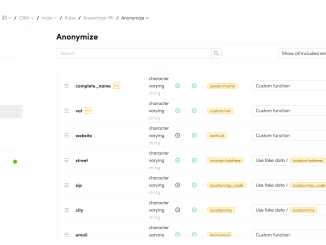
Delivering anonymized, production-like test data to QA environments is one of the most time-consuming and error-prone tasks in modern software development. Manual scripts, static datasets, and cloned production databases not only delay releases, but also expose organizations to privacy and compliance risks.
When testing a mobile app or a website, there are situations where you want to send your requests from different IPs. In this situation, you can use platforms providing VPN and rotating residential proxies features.
Thanks to external payment systems, businesses and individuals don’t always have to make payments using cards. Instead, these systems offer an alternative channel for making payments. Examples of external payment systems include online payment systems and mobile payment systems.