Agile testing tutorials and how to content : Test-Driven Development (TDD), Behavior-Driven Development (BDD) and other agile approaches for software testing.
In theory, we can consider software testing as a very rationale approach. You start from unit of code or requirements and then you create the tests that will prove that your software does what it is expected to do… and doesn’t create problems with edge cases. In his book Oblique Testing, Mike Talks propose to add an additional perspective to software testing using the oblique strategies approach.
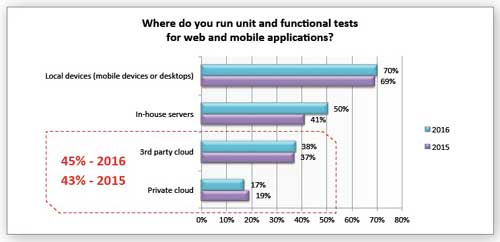
Some organizations have published recently reports on the status and the trend of the software testing domain. We have aggregated the main results of these reports in this article to give you an overview of the current software testing issues and practices.
Performing software testing in an Agile project doesn’t mean that it should be improvised. In this article from their book “More Agile Testing”, Janet Gregory and Lisa Crispin looks at some foundations of Agile test planning using the Agile testing quadrants.
10 years ago, Dan North first came up with the idea of Behaviour-Driven Development (BDD): using examples in conversation to explore the behavior of systems, then carrying those examples into code. Since then, we have learned a lot about how BDD works, how it works best, and how it can fail horribly! Even the most experienced BDD practitioners have learned a lot from their failures… but what were they? And how are we failing now?
At a first glance you might relate software testing in an Agile context to abbreviations like TDD, BDD, ATDD. Though these are often valuable practices they are closer related to checking of the software. The point is to run them often and to help developer to know when to stop coding.
Agile development is a big thing nowadays. Almost every project wants to deliver value as quick as possible, but not all of them succeed because of the share amount of work most projects require. But what if you could actually deliver 2 times more value, but 3 times less features? Behat is an open source Behavior Driven Development (BDD) framework for PHP inspired by the Ruby Cucumber BDD framework.
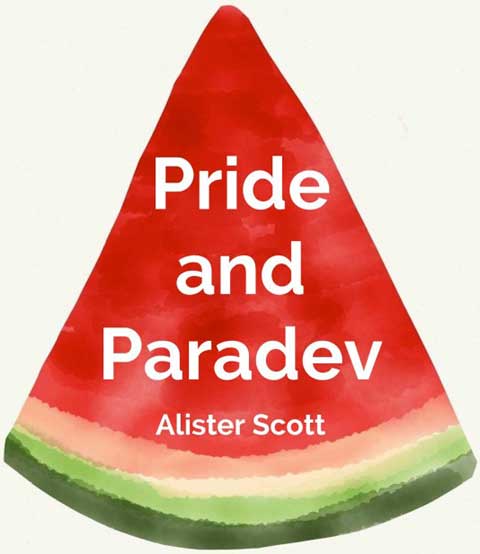
A paradev is defined as “anyone on a software team that doesn’t just do programming.” In his book “Pride and Paradev”, Alister Scott discusses a lot of the trade-off and issues met by software testers in an Agile software development project. As the world is not black or white, he decided to write a collection of contradictory claims about software testing; knowing that the practical implications lie somewhere in between.